Chimney Assessment in San Jose, CA
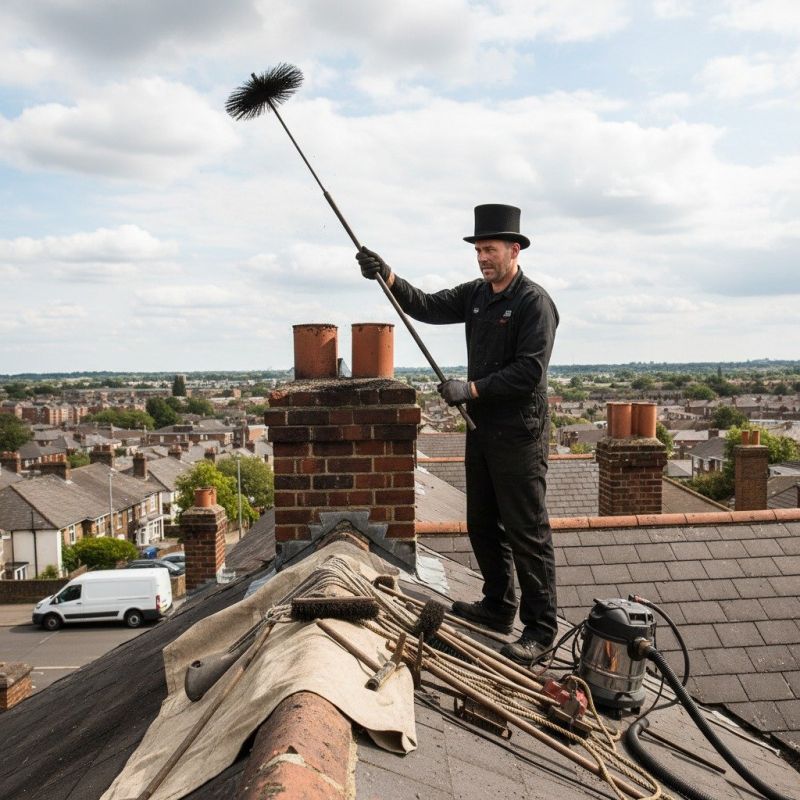
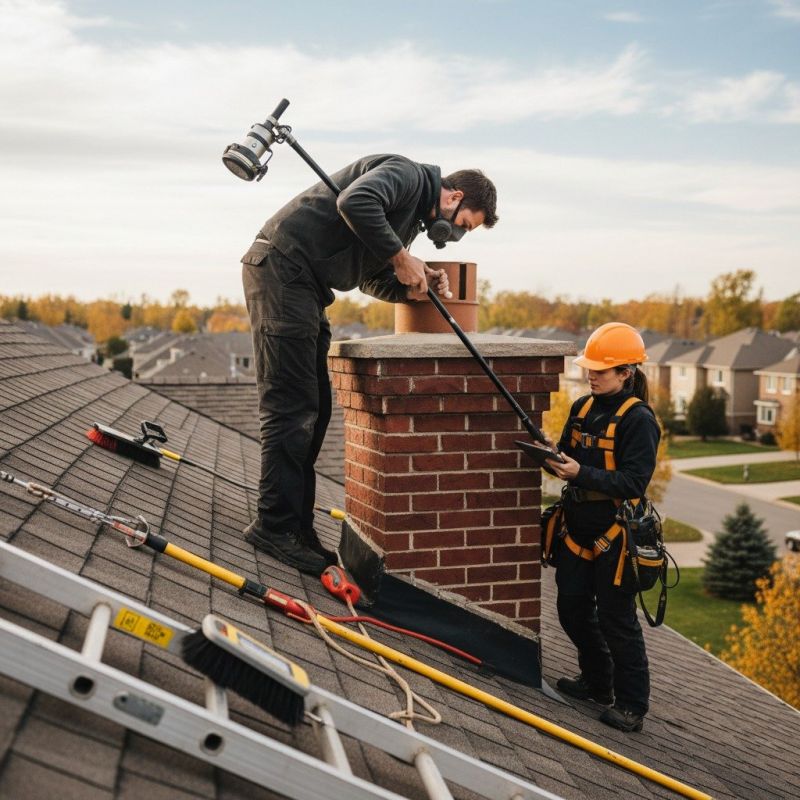
Chimney assessment services involve a thorough inspection of a property's chimney system to evaluate its condition, safety, and functionality. These assessments typically cover the chimney structure, flue lining, and venting components, helping property owners identify potential issues such as cracks, blockages, or deterioration that could impact performance or safety. Homeowners often request chimney assessments before purchasing a home, after experiencing problems like smoke backdrafts, or as part of regular maintenance to ensure the chimney remains in proper working order.
Before requesting a chimney assessment, property owners usually want to understand the scope of the inspection, including what parts of the chimney will be examined and whether any repairs or recommendations will follow the evaluation. Clarifying these details helps ensure the assessment addresses specific concerns, such as draft problems, creosote buildup, or structural damage, providing a clear picture of the chimney’s current state and any necessary next steps.
Many property owners in San Jose, CA look into Chimney Assessment for repairs, replacements, upgrades, and appearance-related improvements.
Chimney Inspection Essentials
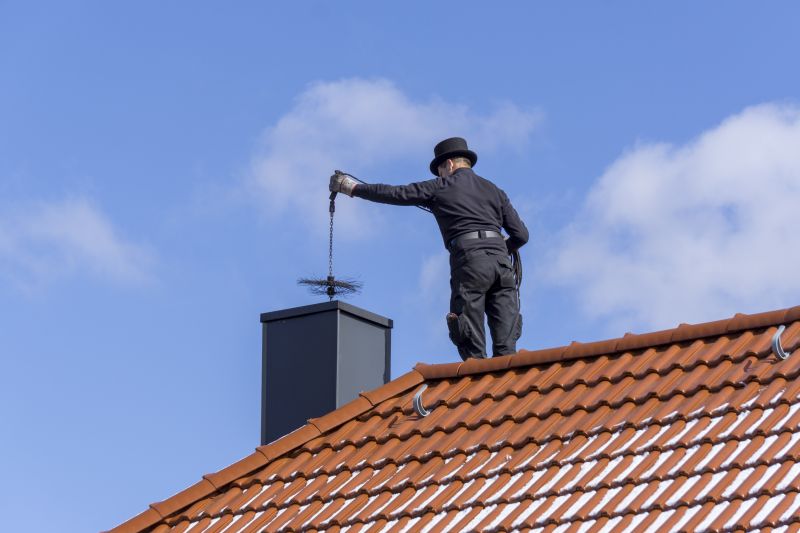
A thorough assessment helps identify potential blockages or damage that could affect safety and efficiency.
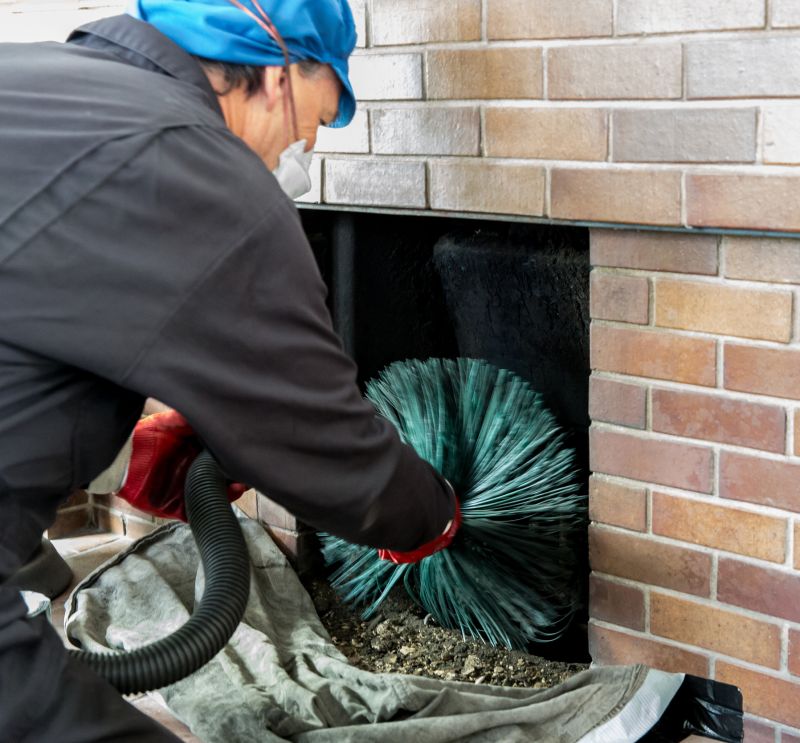
Assessing Structural Integrity
Evaluations focus on the condition of the chimney's lining, masonry, and foundation to prevent costly repairs.
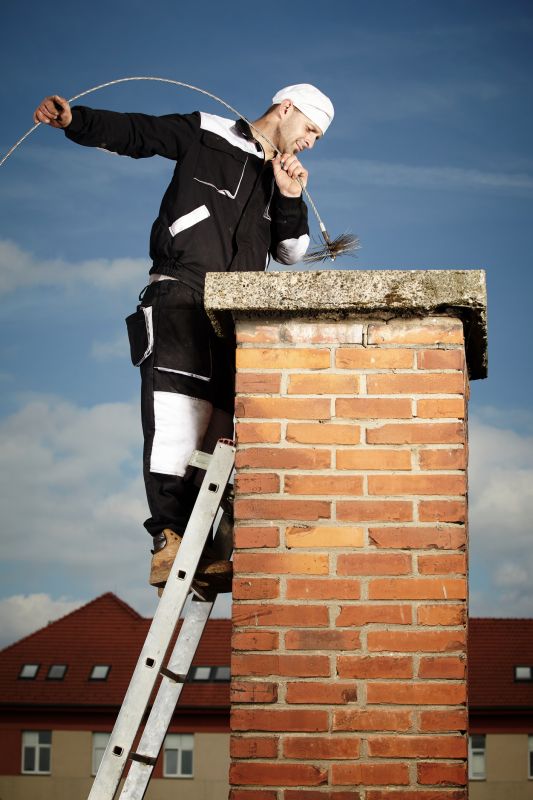
Preventive Maintenance Tips
Regular assessments can reveal early signs of wear, ensuring the chimney remains safe and functional for years in san jose, ca.
Chimney Assessment in San Jose, CA

Chimney assessment services involve a thorough inspection of a property's chimney system to evaluate its condition, safety, and functionality. These assessments typically cover the chimney structure, flue lining, and venting components, helping property owners identify potential issues such as cracks, blockages, or deterioration that could impact performance or safety. Homeowners often request chimney assessments before purchasing a home, after experiencing problems like smoke backdrafts, or as part of regular maintenance to ensure the chimney remains in proper working order.
Before requesting a chimney assessment, property owners usually want to understand the scope of the inspection, including what parts of the chimney will be examined and whether any repairs or recommendations will follow the evaluation. Clarifying these details helps ensure the assessment addresses specific concerns, such as draft problems, creosote buildup, or structural damage, providing a clear picture of the chimney’s current state and any necessary next steps.
Many property owners in San Jose, CA look into Chimney Assessment for repairs, replacements, upgrades, and appearance-related improvements.
Common Chimney Assessment Jobs
Chimney Inspection - a thorough evaluation of the chimney’s condition and structure.
Flue Assessment - checking for blockages, cracks, or deterioration in the flue system.
Creosote and Soot Inspection - identifying buildup that could pose fire risks.
Chimney Cap and Crown Review - ensuring the top components are intact and functioning properly.
Masonry and Brick Inspection - assessing for cracks, loose bricks, or water damage.
Ventilation System Check - verifying proper airflow and draft for safe operation.
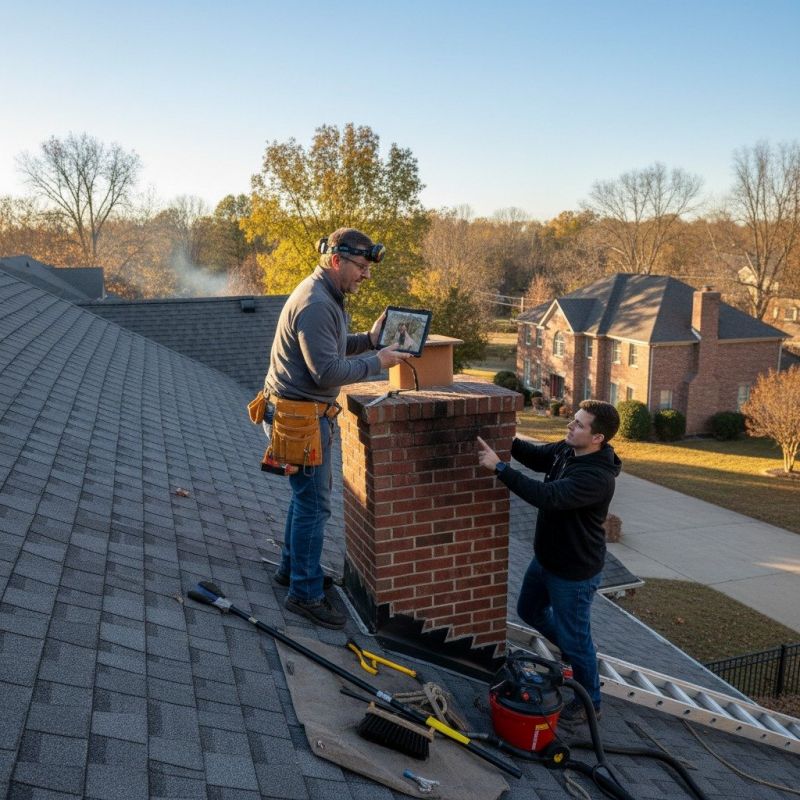
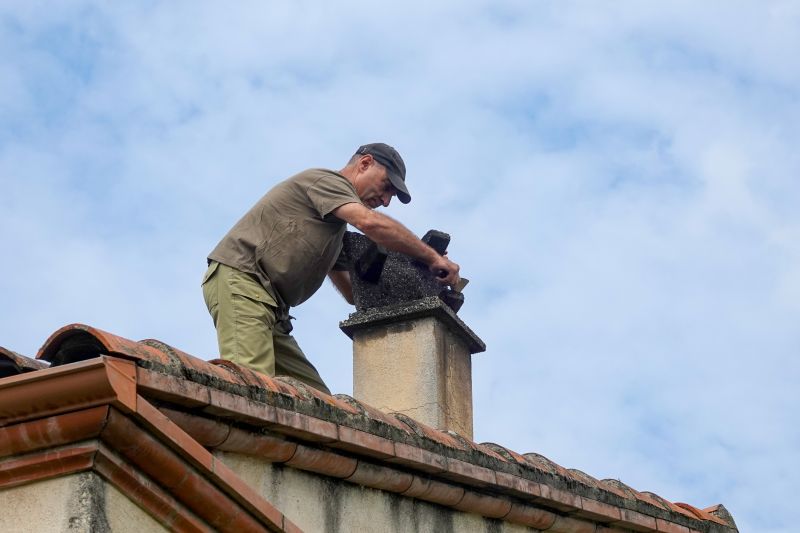
Chimney Assessment Questions
What is a chimney assessment? It is a thorough inspection of a chimney's condition to identify potential issues and ensure proper function.
Why should homeowners consider a chimney assessment? Regular assessments help detect damage or blockages that could affect safety and performance.
What issues can a chimney assessment reveal? Common findings include cracks, creosote buildup, and damaged flue liners.
How often should a chimney be assessed? It is recommended to have a chimney inspected annually or after significant weather events or repairs.
Request Chimney Assessment in San Jose, CA
Use the quote form on this page to share the basics of your project and request more information for the type of work you need.